

Personal development books continue to attract a large readership in the United States as individuals seek practical guidance for improving habits, decision-making, financial literacy, and leadership skills. According to the NPD Group, the self-improvement category has experienced strong growth during the past decade, with millions of copies sold annually across print and online platforms. Titles such as Atomic Habits have sold more than 20 million copies worldwide, demonstrating the sustained demand for practical personal growth strategies.
Readers turn to these books to address common challenges in modern life, including productivity, career planning, financial management, and emotional resilience. Influential works like Mindset: The New Psychology of Success and Start with Why present research-based principles that help readers strengthen motivation and long-term thinking.
The following list features 20 widely discussed and frequently recommended personal growth books that continue to influence readers, educators, entrepreneurs, and professionals in 2026.
1. Atomic Habits by James Clear
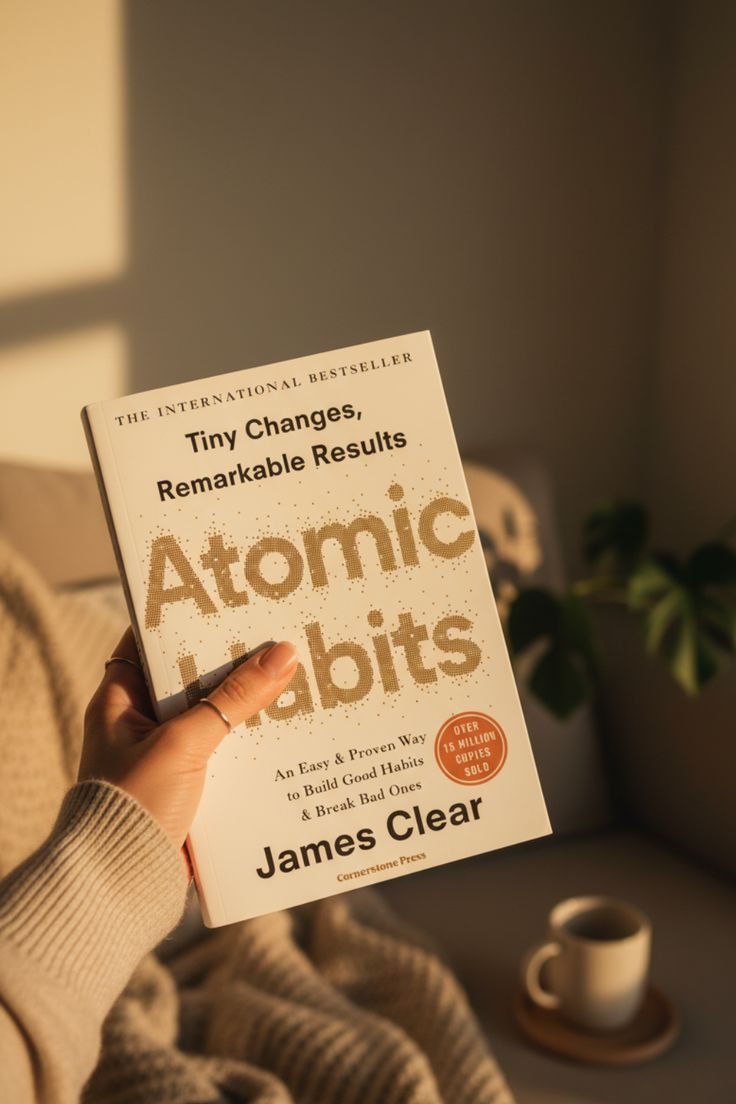
Building better habits sounds simple, yet most people quit after a few weeks. This bestselling book explains how small daily actions create powerful change over time. Millions of readers in the United States turn to this book when they want stronger routines.
What This Book Teaches
- Tiny habits create major progress when repeated daily
- Systems matter more than goals
- Your environment shapes your behavior
- Small improvements compound over time
This book stayed on major bestseller lists for years and became one of the most recommended productivity books. Students, entrepreneurs, and professionals praise its practical advice and clear examples.
Who Should Read it:
- Students who want better study routines
- Professionals trying to improve productivity
- Anyone struggling to stay consistent
2. The 7 Habits of Highly Effective People by Stephen R. Covey
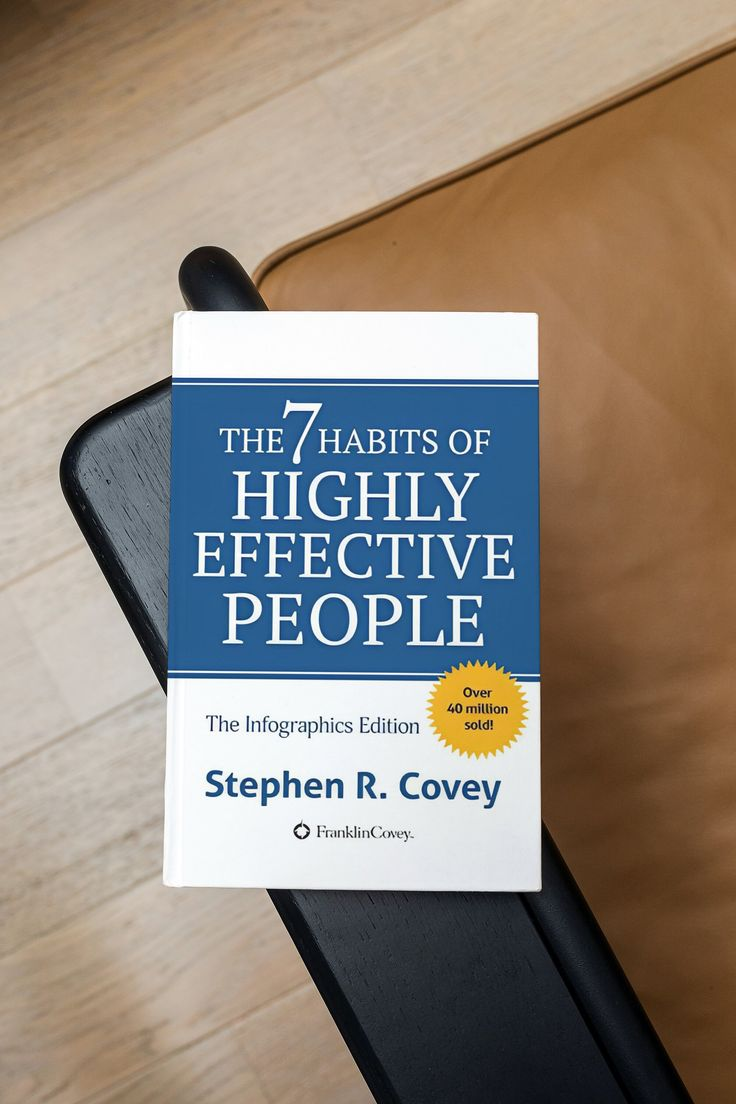
Many readers want success but lack a clear framework for personal growth. This classic personal development book gives a step-by-step method to improve mindset, productivity, and relationships.
What This Book Teaches
- Take responsibility for your actions
- Start with clear goals in mind
- Focus on priorities that truly matter
- Build strong relationships based on trust
The book sold tens of millions of copies and became one of the most influential leadership books in the United States. Schools, universities, and business leaders recommend it widely.
Who Should Read It
- Students preparing for leadership roles
- Professionals who want better decision-making skills
- People who want stronger personal discipline
3. The Mountain Is You by Brianna Wiest

Many people struggle with self-bondage without realizing it. This modern personal growth book explains why people block their own success and how they can change destructive patterns.
What This Book Teaches
- Self-sabotage comes from unresolved emotional patterns
- Awareness helps break negative cycles
- Personal growth requires honest self-reflection
- Emotional intelligence improves decision-making
The book gained massive popularity through online reading communities and social media discussions. Young adults and college students frequently recommend it as a mindset book for personal healing and growth.
Who Should Read It
- Young adults seeking personal clarity
- Readers working on emotional growth
- Anyone trying to overcome limiting beliefs
4. The Subtle Art of Not Giving a F*ck by Mark Manson
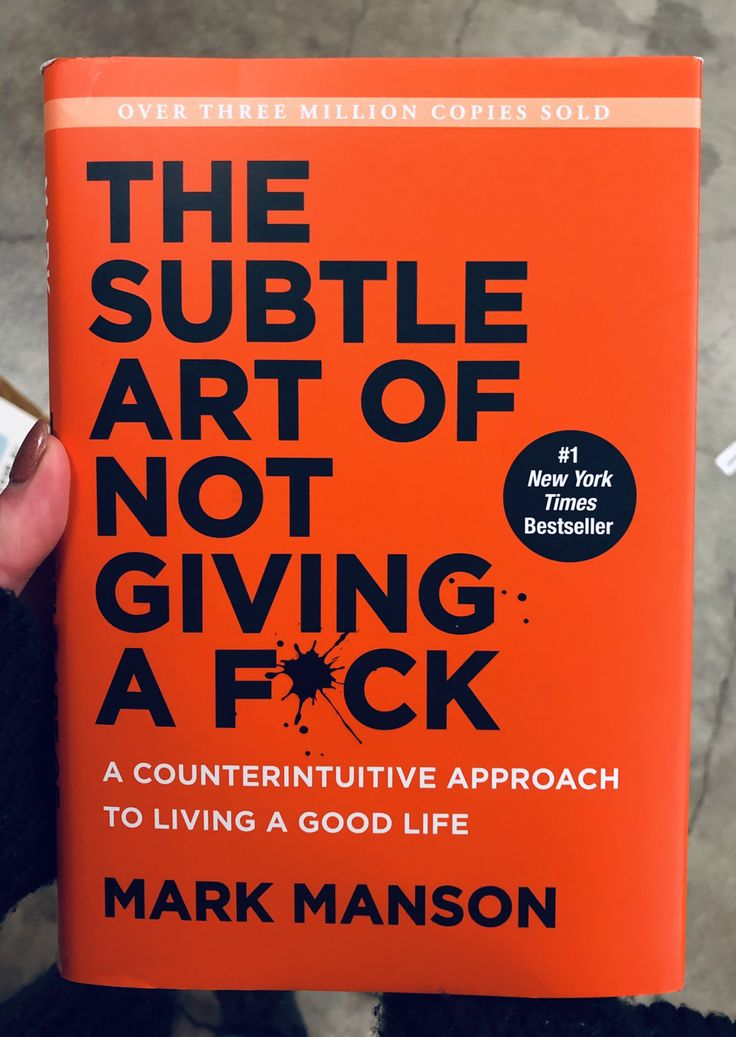
Many self-help books push constant positivity. This book takes the opposite direction. It argues that people should stop chasing approval and focus only on what truly matters in life.
What This Book Teaches
- Stop worrying about things outside your control
- Accept struggles as part of life
- Choose values that guide your decisions
- Take responsibility for your choices
The book became a global bestseller and gained massive attention among youngsters. Its honest tone and direct language make complex ideas easy to understand.
Who Should Read It
- Young adults facing pressure and expectations
- Readers are tired of overly positive self-help advice
- Anyone who wants a strong mindset
5. Mindset: The New Psychology of Success by Carol S. Dweck
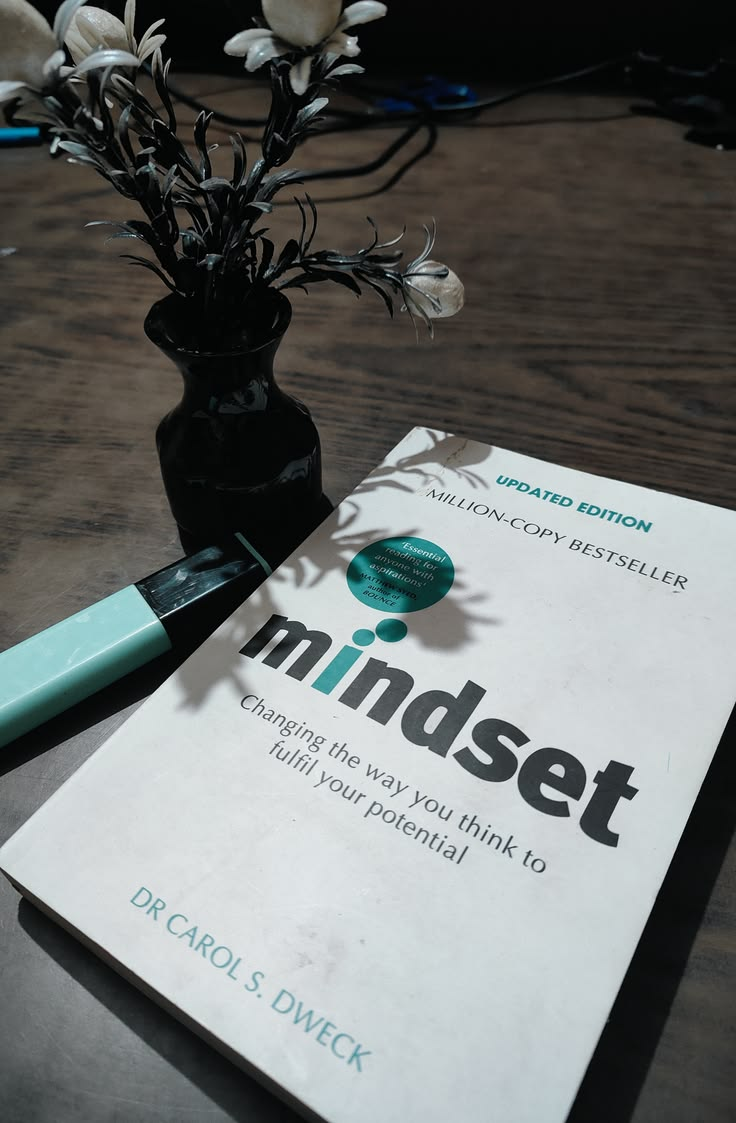
Why do some people grow stronger after failure, while others give up? This influential book explains the difference between a fixed mindset and a growth mindset.
What This Book Teaches
- People with a growth mindset believe skills can improve
- Failure becomes a learning opportunity
- Effort and persistence lead to progress
- Encouragement shapes student success
Teachers, parents, and business leaders recommend this book. Many U.S. schools apply their ideas to improve student learning and motivation.
Who Should Read It
- Students who want stronger motivation
- Parents supporting children’s learning
- Professionals seeking continuous improvement
6. Think and Grow Rich by Napoleon Hill
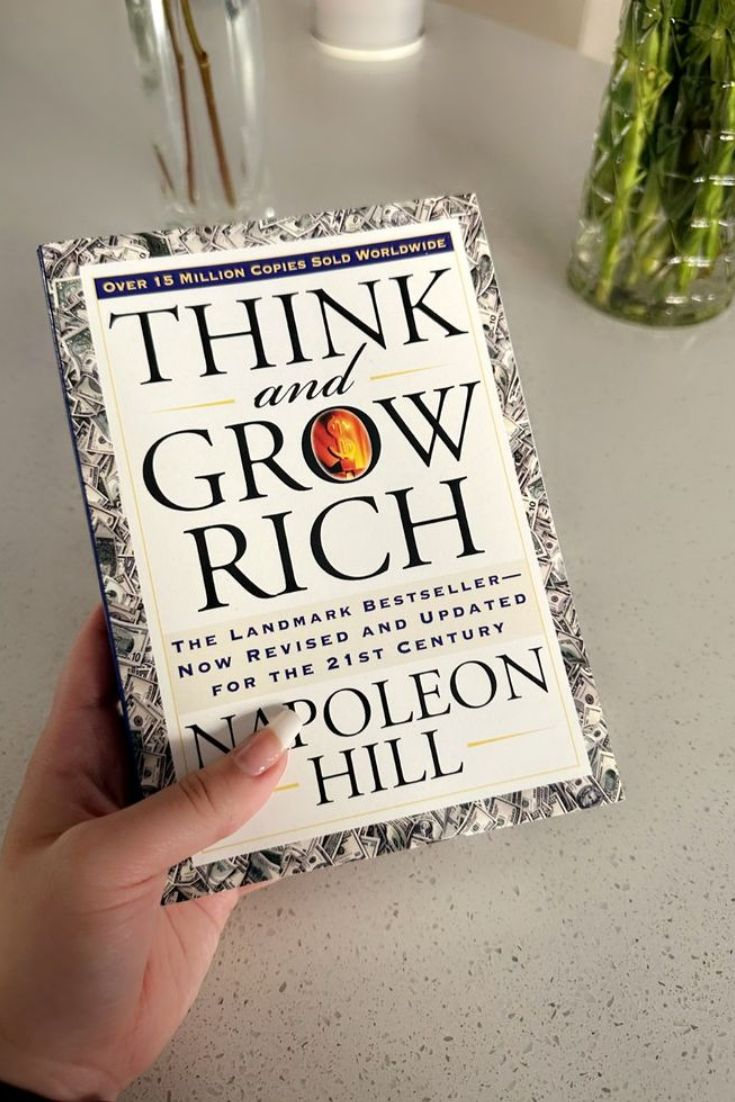
This classic success book shaped personal development thinking for decades. The author studies wealthy entrepreneurs and describes principles that guide financial and personal achievement.
What This Book Teaches
- Strong belief supports goal achievement
- Persistence helps overcome obstacles
- Clear goals increase motivation. Surrounding yourself with supportive people
First published in 1937, the book sold millions of copies and remains one of the most famous success books in history. Entrepreneurs and business students continue to read this book even today.
Who Should Read It
- Aspiring Entrepreneurs
- Readers interested in success psychology
- Anyone building long-term financial goals
7. The Four Agreements by Don Miguel Ruiz
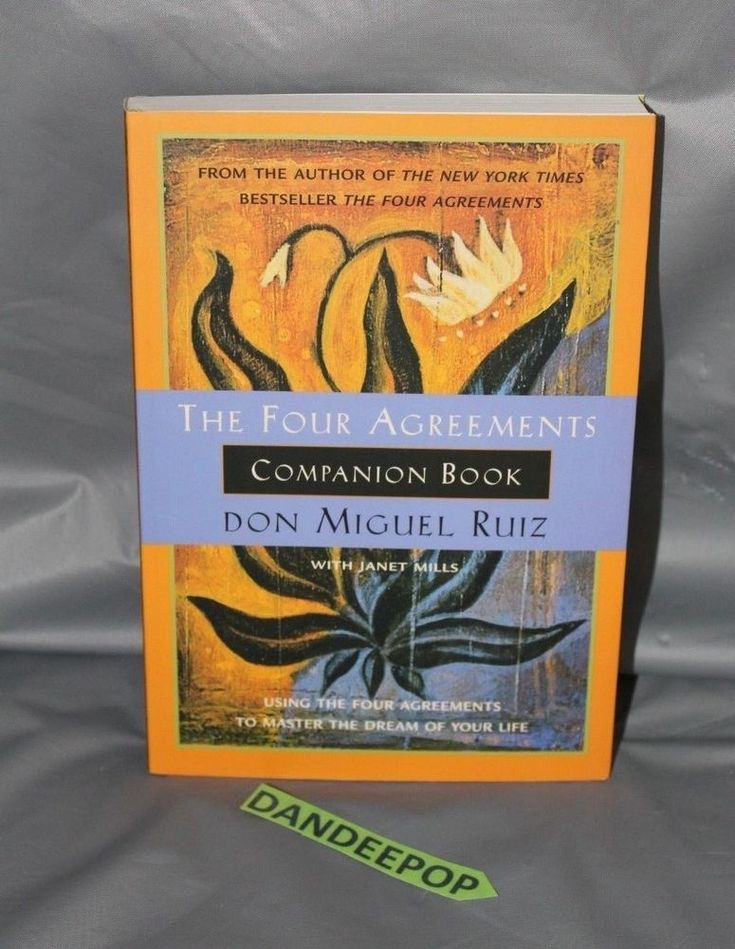
Many people carry stress because of assumptions, criticism, and negative self-talk. This short but powerful book presents four simple principles that can change how you think, speak, and interact with others.
What This Book Teaches
- Speak with honesty and avoid harmful words
- Do not take other people’s opinions personally
- Avoid assumptions by asking clear questions
- Always give your best effort in every situation
The book stayed on bestseller lists for years and became one of the most recommended personal development titles in the United States. Readers appreciate its simple language and practical philosophy.
Who Should Read It
- Readers working on emotional balance
- People are trying to reduce daily stress
- Anyone who wants stronger relationships
8. The 48 Laws of Power by Robert Greene
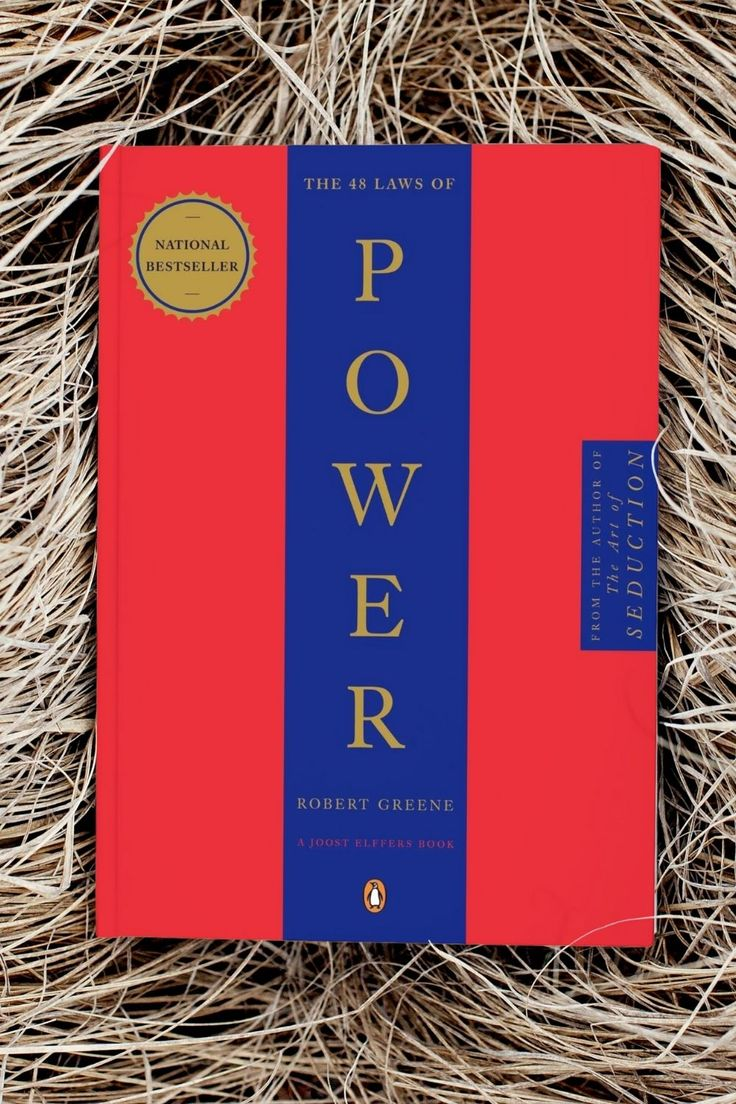
Power dynamics influence workplaces, politics, and social interactions. This famous strategy book explains patterns of influence through historical examples and practical lessons.
What This Book Teaches
- Protect your reputation at all times
- Study people before placing trust in them
- Maintain control over emotions during conflict
- Observe how power operates in social environments
Business leaders, entrepreneurs, and public figures frequently reference this title. The book gained attention across reading communities and remains widely discussed online.
Who Should Read It
- Professionals interested in leadership strategy
- Readers curious about human behavior
- Students studying influence and negotiation
9. Deep Work by Cal Newport
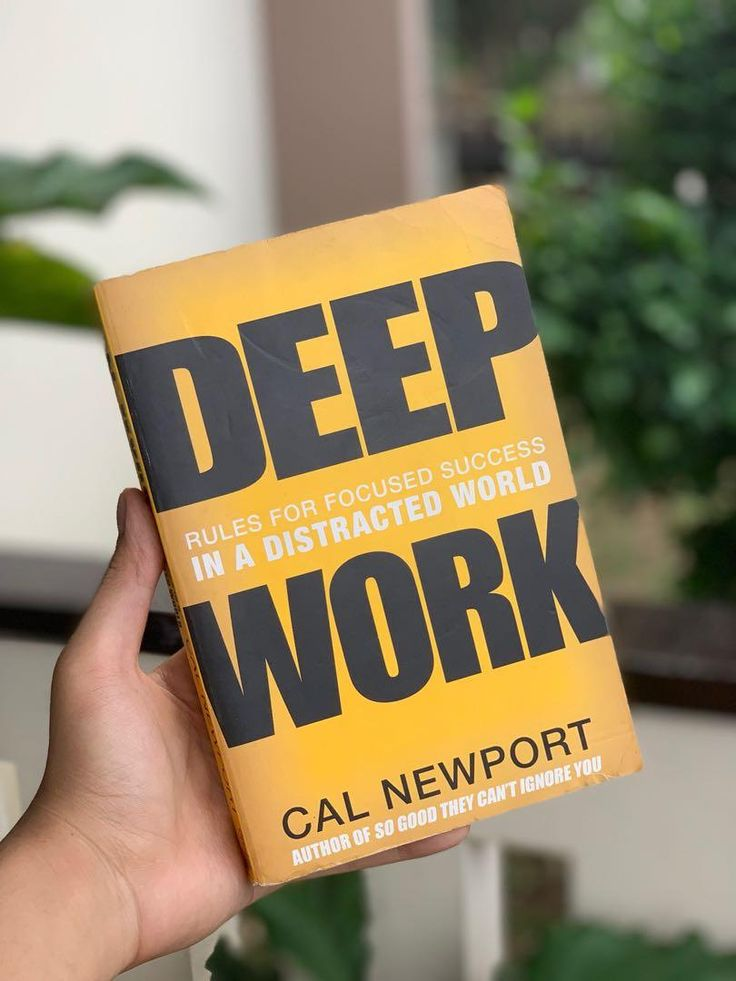
Constant notifications and distractions make focused thinking harder than ever. This productivity book explains why uninterrupted concentration leads to stronger skills and better results.
What This Book Teaches
- Long periods of focused work improve learning speed
- Distractions weaken productivity and creativity
- Structured routines protect concentration
- Deep focus produces higher-quality results
Who Should Read it
- College students managing heavy workloads
- Professionals working on demanding projects
- Creators who need uninterrupted thinking time
10. The Creative Act: A Way of Being by Rick Rubin

People believe creativity belongs only to artists, musicians, or writers. Yet daily life proves otherwise. A student designing a class presentation, a manager solving a work problem, or an artist planning a family event all rely on creativity. This book explains that creativity grows from awareness, curiosity, and attention to everyday moments.
What This Book Teaches
- Creativity begins with noticing the world carefully
- Ideas appear when the mind stays open and curious
- Inspiration comes from ordinary daily experiences
- Anyone can practice creative thinking
Think about how people scroll through social media, watch videos, or rush through busy schedules. This book encourages readers to slow down and observe small details. A simple walk, a conversation, or a quiet moment can trigger ideas when the mind stays present. Readers appreciate how the author explains creativity without technical rules. The book shares reflections, stories, and short lessons that help people think differently about their work and hobbies.
Who Should Read It
- Students working on projects and creative assignments
- Professionals who solve problems at work
- Anyone who wants to think more creatively
11. You Are a Badass by Jen Sincero
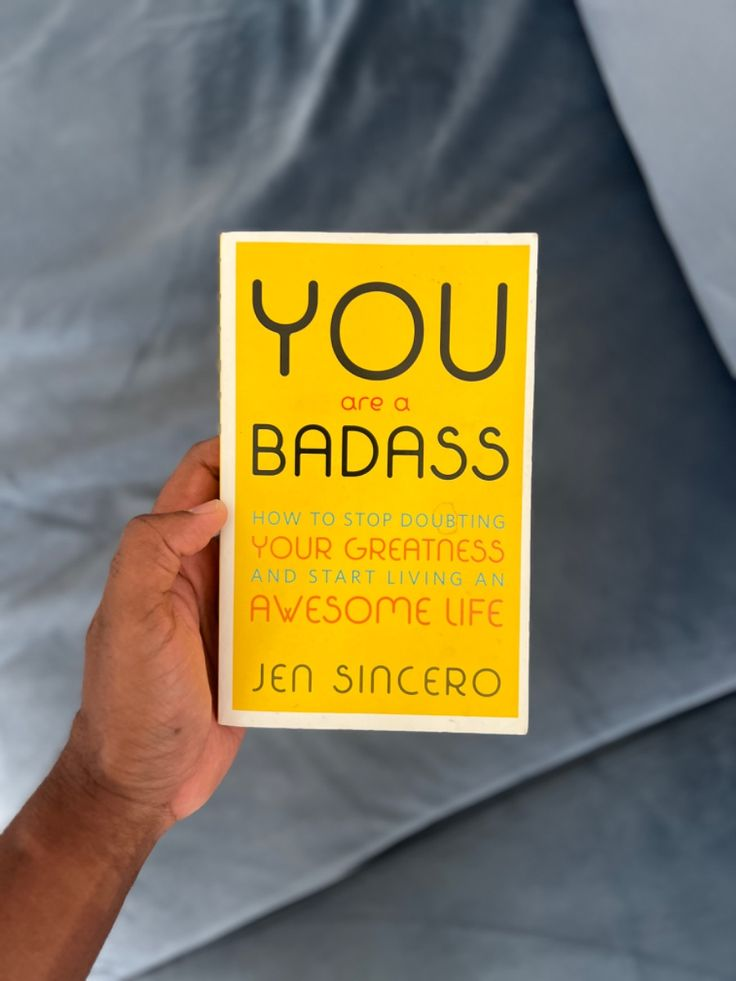
Sometimes we get stuck in routines that don’t align with our goals. We may want a better career, stronger confidence, or financial progress, but we hesitate to take action. This motivational book encourages readers to stop doubting themselves and start building the life they want.
What This Book Teaches
- Self-belief influences opportunities and decisions
- Fear blocks many people from pursuing goals
- Clear intentions guide personal progress
- Action creates change, not wishful thinking
Someone who wants to start a business, change careers, or ask for a promotion, doubt and fear stop them before they even begin. The author shares personal stories and practical advice that push readers to challenge limiting thoughts. Meanwhile, the book also uses humor, honest storytelling, and straightforward advice. Readers appreciate energetic tone and relatable life examples.
Who Should Read It
- Young professionals seeking career growth
- Readers who want stronger confidence
- Anyone preparing for a major life change
12. The Magic of Thinking Big by David J. Schwartz
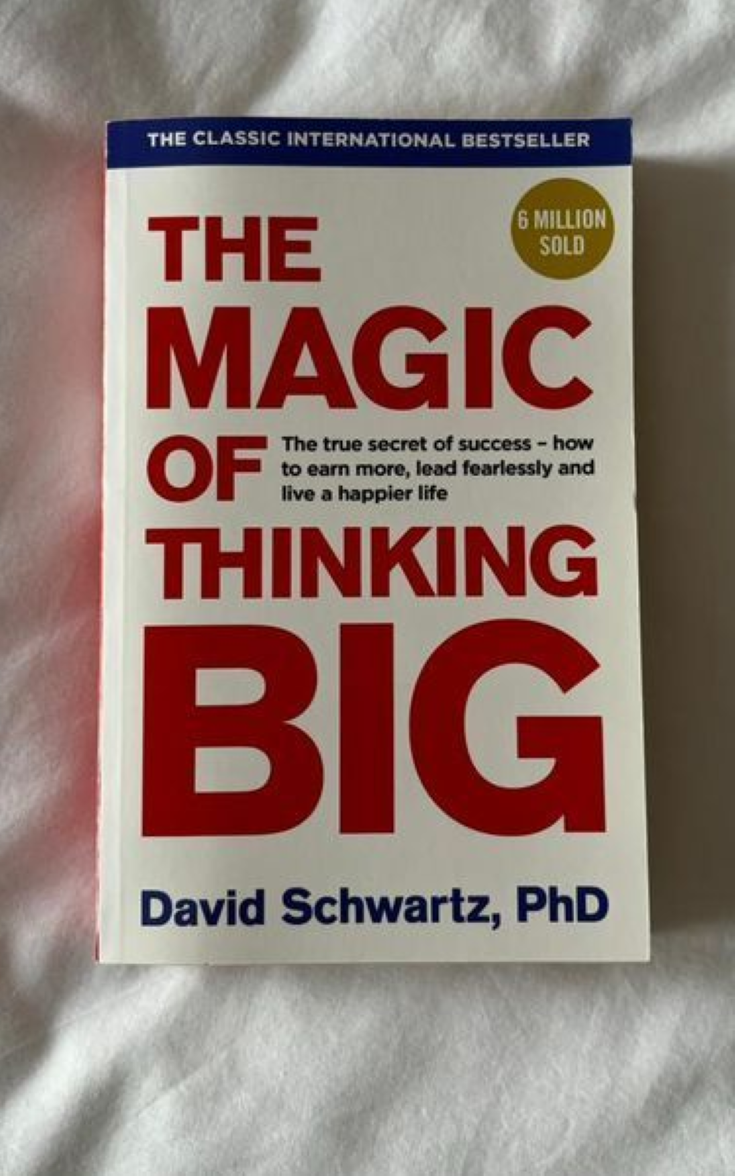
People limit their potential because they believe their goals are too ambitious. This classic success book explains how large thinking shapes leadership and opportunity.
What This Book Teaches
- Your thinking patterns shape your results
- Confidence attracts opportunities
- Clear goals encourage consistent effort
- Positive thinking strengthens resilience
Students choose careers or professionals planning their next move. Some people aim low because they fear failure or rejection. This book shows how bold thinking changes the way people approach challenges, interviews, leadership roles, and long-term plans. Even decades after publication, readers still apply its lessons in business, education, and personal growth. The book shares practical advice that helps shift from self-doubt to confident action.
Who Should Read It
- Students setting long-term career goals
- Entrepreneurs starting new ventures
- Professionals seeking leadership roles
13. Can’t Hurt Me by David Goggins

Suppose a person who grows up with poverty, bullying, and self-doubt. Most people would accept those limits and move on with life. This book tells the story of someone who refused to stay trapped by his past. The author describes how discipline, mental toughness, and relentless effort helped him transform his life. The author shares real stories of extreme training and personal struggle that show how persistence changes outcomes.
What This Book Teaches
- Mental strength grows through difficult challenges
- Excuses prevent progress
- Discipline builds confidence over time
- Pushing past limits reveals hidden potential
The book mixes biography with practical lessons. Readers follow the author’s life from hardship to becoming one of the toughest endurance athletes and military figures.
Who Should Read It
- Students pushing through difficult academic goals
- Athletes or fitness enthusiasts
- Readers who want stronger discipline
14. Essentialism by Greg McKeown
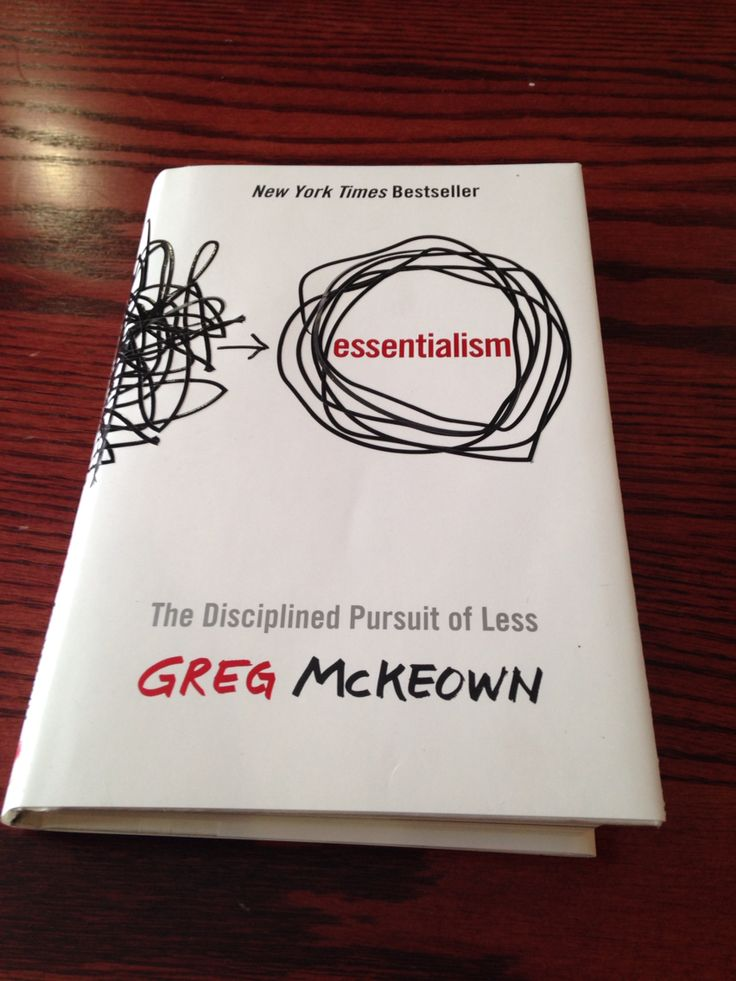
Modern life pulls people in many directions. Emails, meetings, social media, and endless to-do lists fill the day. This book tells a story many readers recognize: a professional working late every night yet feeling unproductive. The author explains how focusing on fewer priorities creates better results. Many professionals in the United States recommend this book for productivity and life balance.
What This Book Teaches
- Not every opportunity deserves attention
- Saying no protects valuable time
- Fewer priorities allow deeper focus
- Clear goals simplify decision-making
- Identify what is truly important and remove distractions that drain energy.
Who Should Read It
- Professionals facing overwhelming schedules
- Students juggling many commitments
- Anyone who wants a stronger focus
15. The Body Keeps the Score by Bessel van der Kolk
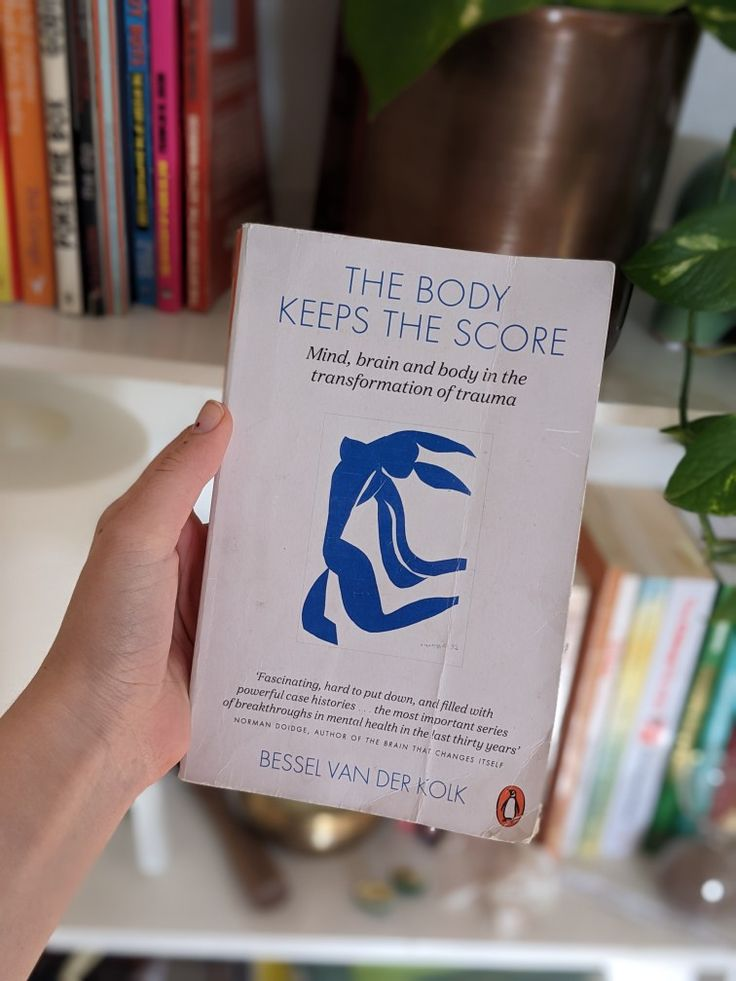
Stressful experiences do not disappear just because time passes. Many people notice lasting effects such as anxiety, difficulty sleeping, sudden emotional reactions, or constant tension in the body. This book explains how traumatic experiences affect the brain, emotions, and physical health. The author, a psychiatrist with decades of clinical practice, shares research and patient stories that show how trauma is stored in the body.
What This Book Teaches
- Trauma changes how the brain processes fear and safety
- Emotional pain can appear as physical symptoms
- The body stores memories connected to stressful events
- Healing requires both mental and physical treatment
Mental health professionals, psychology students, and general readers widely recommend this book. It explains complex psychological ideas in clear language while sharing powerful patient stories that reveal how recovery happens.
Who Should Read It
- Readers interested in mental health and psychology
- Students studying counseling or behavioral science
- Anyone seeking deeper knowledge about trauma and recovery.
16. Start with Why By Simon Sinek
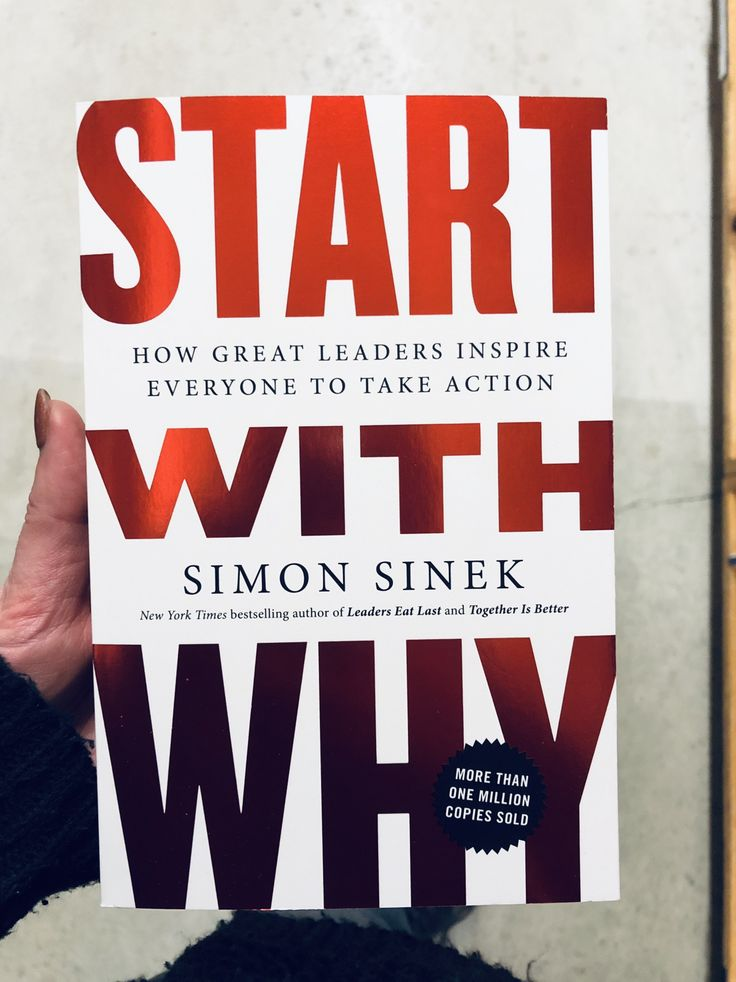
People work hard every day, yet feel disconnected from what they do. Businesses launch products, professionals build careers, and students pursue degrees, but motivation fades when the purpose behind those actions remains unclear.
What This Book Teaches
- Strong leaders communicate purpose before strategy
- People connect with ideas that carry meaning
- A clear purpose builds trust and loyalty
- Decisions become easier when guided by values
The author’s talk on leadership and purpose gained millions of views online. Readers appreciate the clear explanation of how purpose-driven thinking improves leadership and decision-making. Career choices, business plans, and personal goals become clearer when people identify their deeper motivation. Many companies in the United States use this principle to guide leadership, marketing, and team culture. Individuals apply the same thinking when choosing careers, starting projects, or setting long-term goals.
Who Should Read It
- Entrepreneurs building businesses
- Professionals moving into leadership roles
- Students planning long-term careers
17. Rich Dad Poor Dad by Resort T. Kiyosaki
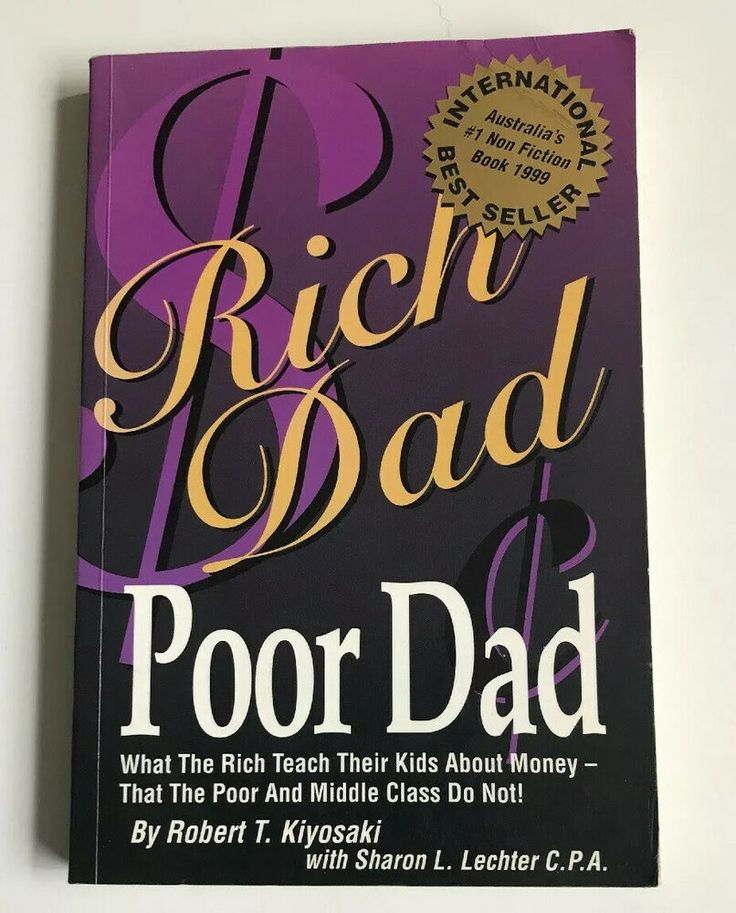
Many schools teach students how to work for money, but rarely explain how money works. This famous finance book shares lessons from two father figures in the author’s life. One followed the traditional path of education and stable employment. The other focuses on investments, business ownership, and financial independence.
What This Book Teaches
- Financial education shapes long-term wealth
- Assets generate income while liabilities drain money
- Investments build financial security over time
- Entrepreneurship creates additional income paths
The book explains how budgeting, investing, and financial awareness help people move toward financial independence. The title became one of the most widely read personal finance books in the United States. Many readers credit it for changing how they think about money, savings, and investments.
Who Should Read It:
- Students learning about financial independence
- Professionals building long-term wealth
- Entrepreneurs interested in investment thinking
18. The One Thing by Gary Keller
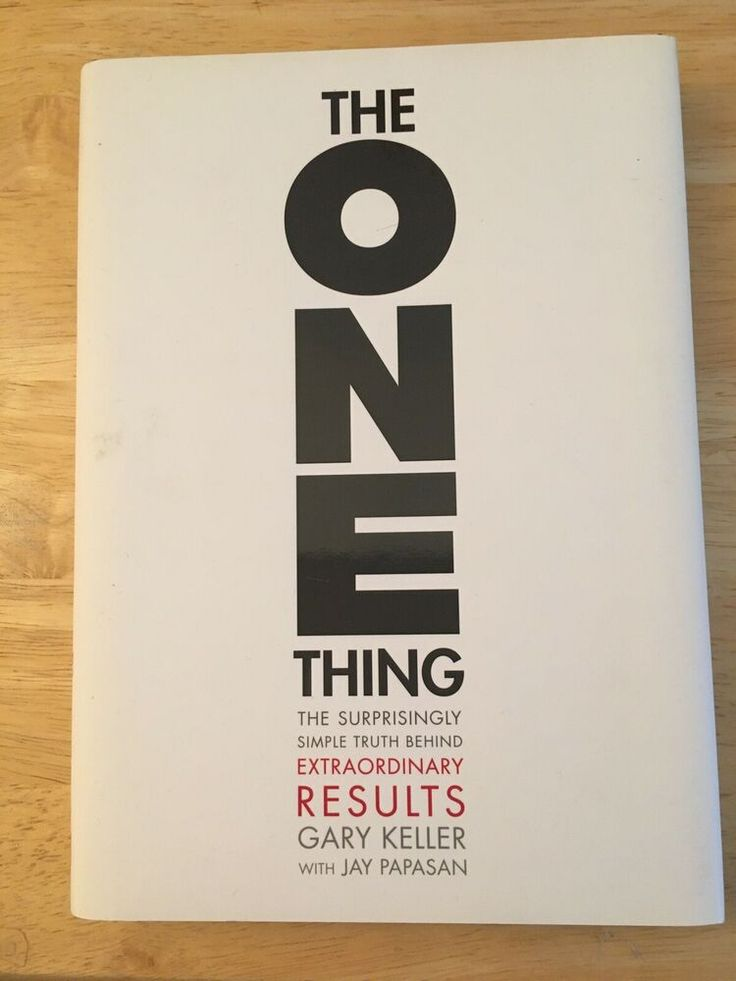
Busy schedules create the illusion of productivity. Many people juggle emails, meetings, deadlines, and personal responsibilities while important goals remain unfinished. This book explains that success grows when attention focuses on the single most important task.
What This Book Teaches
- Identify the task that drives the greatest progress
- Remove distractions that divide attention
- Focus deeply on one priority at a time
- Consistent focus creates extraordinary results
Business leaders, productivity experts, and entrepreneurs frequently recommend this book for improving focus and performance. The book encourages readers to ask one powerful question: What is the most important task I should complete today?
Who Should Read It
- Students managing demanding schedules
- Professionals seeking higher productivity
- Entrepreneurs handling multiple responsibilities
19. A New Earth By Eckhart Tolle
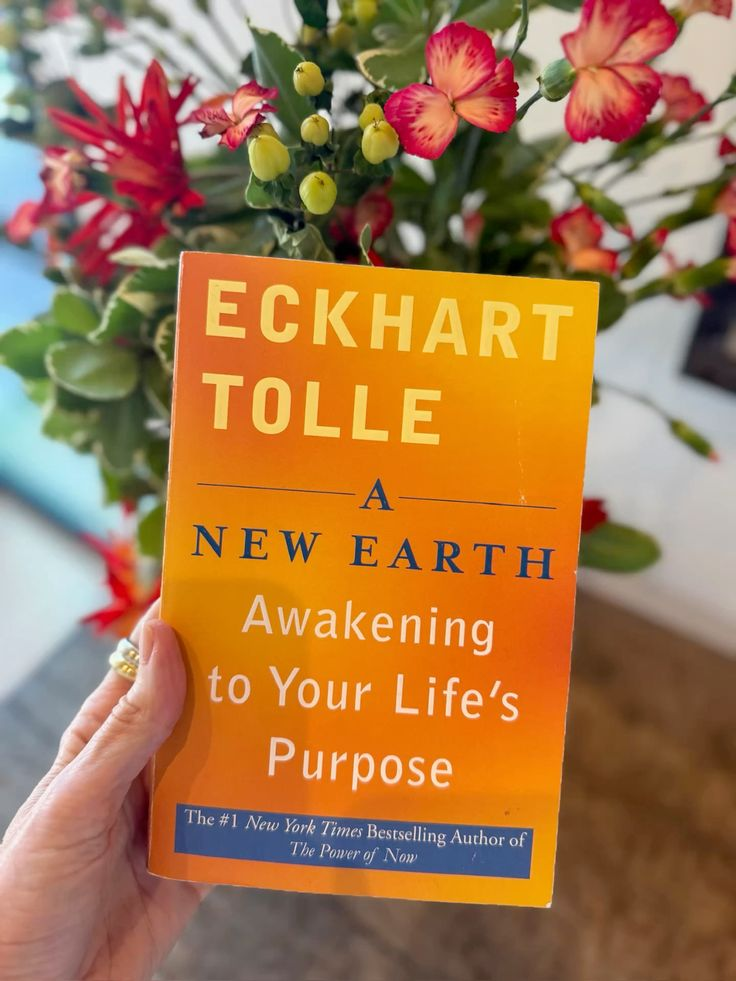
Modern life moves fast. Work pressure, social media comparisons, and constant distractions create mental noise. Many people feel restless even when things look fine on the outside. This book explains how ego-driven thinking creates stress and dissatisfaction. The author teaches readers how awareness and presence lead to a calmer and more meaningful life.
What This Book Teaches
- The ego shapes many reactions and conflicts
- Awareness helps people step back from negative thinking
- Living in the present moment reduces mental stress
- Inner change influences relationships and behavior
This book encourages readers to observe their thoughts instead of reacting instantly. This awareness helps people respond with clarity rather than impulse. Millions of readers recommend this book for personal reflection and emotional growth. Reading groups and personal development communities frequently discuss their ideas about mindfulness and awareness.
Who Should Read It
- Readers interested in mindfulness and personal awareness
- People dealing with stress or constant overthinking
- Anyone seeking inner clarity and emotional balance.
20. How to Win Friends and Influence People by Dale Carnegie
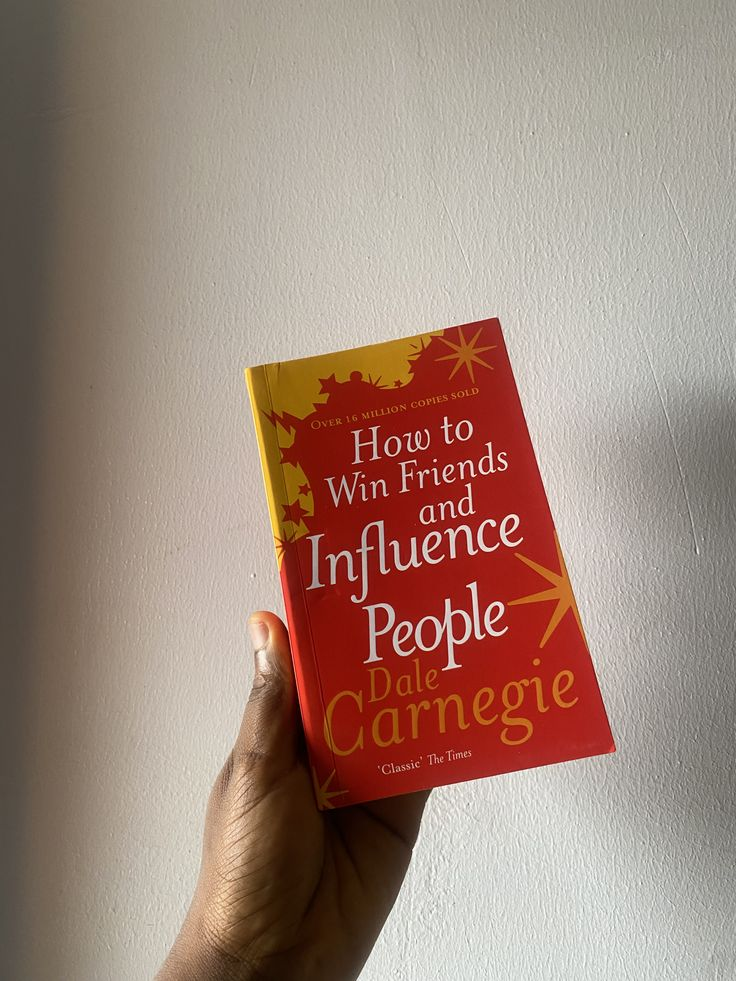
Strong relationships shape success in careers, business, and personal life. Yet communication mistakes, criticism, and misunderstandings frequently damage connections. This classic book explains simple principles that improve how people interact, influence, and build trust with others.
What This Book Teaches
- Show genuine interest in other people
- Avoid criticism and focus on encouragement
- Listen carefully before responding
- Respect other people’s opinions and feelings
First published in 1936, this book continues to appear on leadership and communication reading lists in the United States. Many business leaders recommend it for improving social skills and professional relationships.
Who Should Read it:
- Students preparing for professional careers
- Professionals working in teams or leadership roles
- Anyone who wants stronger communication skills
Conclusion
Personal growth literature remains influential because it converts experience, psychological research, and professional insight into practical lessons readers can apply in daily life. Many of the books in this list have maintained long-term popularity. For example, How to Win Friends and Influence People has sold more than 30 million copies worldwide, while Rich Dad Poor Dad has sold over 40 million copies across multiple languages. These numbers reflect sustained global interest in self-improvement and financial education.
Other modern titles, such as Deep Work, address contemporary challenges, including distraction and declining attention span in knowledge-based professions. Research from the American Psychological Association also indicates that effective focus and stress management directly support productivity and well-being.
Selecting one or two books that match current goals and applying their lessons consistently can support measurable personal and professional progress over time.
